
Lashes · Foundation → intermediate
Classic & Volume Lash Extensions
- Recorded
- 7 hours
- Modules
- 9
- Kit items
- 4
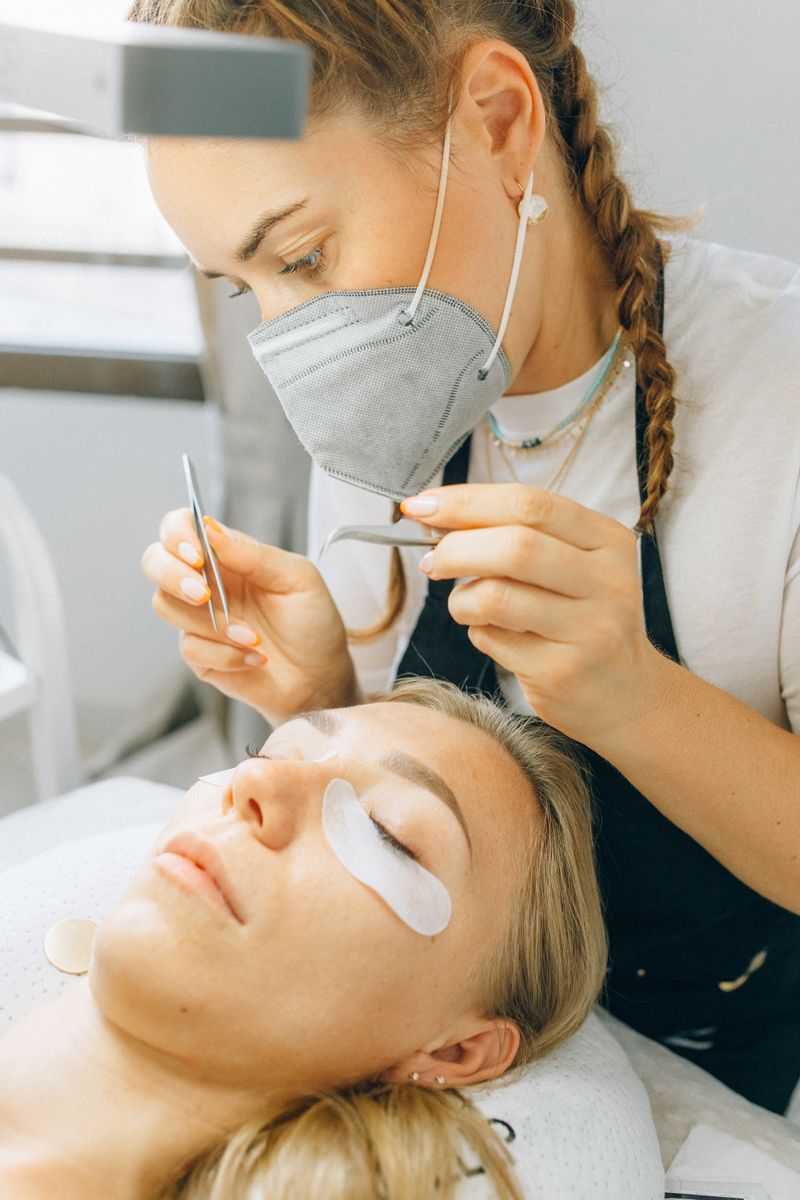
Extensions fail in two ways: they fall out in a week, or they damage the natural lash. Both come down to isolation, adhesive handling and mapping — none of which shows in a finished-set photo.
The modules
9 modules, 7 hours of recorded lessons
Each bar is scaled to the longest module (1 h 12 min), not to the whole course. The running total adds the modules up as you go. Your own practice time is on top.
-
Natural lash anatomy, the growth cycle and who should not be treated
40 minRunning total 40 min
-
Patch test, consultation and the forms that cover you
36 minRunning total 1 h 16 min
-
Setting up a clean station
28 minRunning total 1 h 44 min
-
Adhesives: humidity, temperature, fumes and curing
44 minRunning total 2 h 28 min
-
Isolation and tweezer control
58 minRunning total 3 h 26 min
-
Classic set: mapping, lengths and curls
1 h 6 minRunning total 4 h 32 min
-
Volume fans: making and placing
1 h 12 minRunning total 5 h 44 min
-
Infills, removal and aftercare advice
46 minRunning total 6 h 30 min
-
Troubleshooting: sensitivity, retention and when to stop
32 minRunning total 7 h 2 min
Kit before you pay4 items
- A mannequin head with practice lashes
- Isolation tweezers, straight and curved
- Classic trays and a lash adhesive
- Gel under-eye patches, a primer and a lash shield
You supply the kit yourself: the course does not include any physical kit. The kit-list PDF is yours to keep.
What this course does not do
- Patch tests are taught, not waived. Patch (allergy alert) testing is taught in this course. Follow the manufacturer’s instructions for every product you use and your insurer’s rules, which can be stricter than the course.
- Work near the eye. You practise on a mannequin. Insurers are often at their strictest about work around the eyes, so ask them specifically.
- No live tutor. The lessons are recorded. Questions about the content go to the team by chat or email and are answered in working hours.
- No marking. Nobody reviews your practice work or signs it off.
- Not a regulated qualification. You receive a certificate of completion from Dalby Online. It is not an Ofqual or RQF qualification.
- Ask your insurer first. Many insurers want a recognised qualification, a hands-on assessment, or both. Find out what yours accepts before you buy.
What you can do afterwards
What you can do afterwards
You can run a patch test and consultation, isolate cleanly and apply a classic and a volume set on a mannequin, and explain infills and aftercare.
The work this course is about
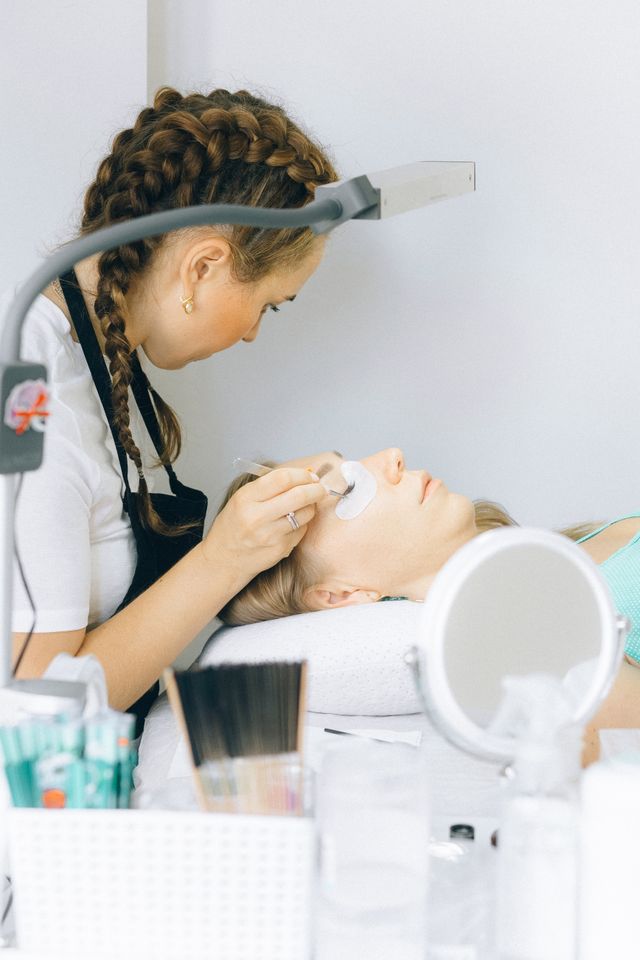
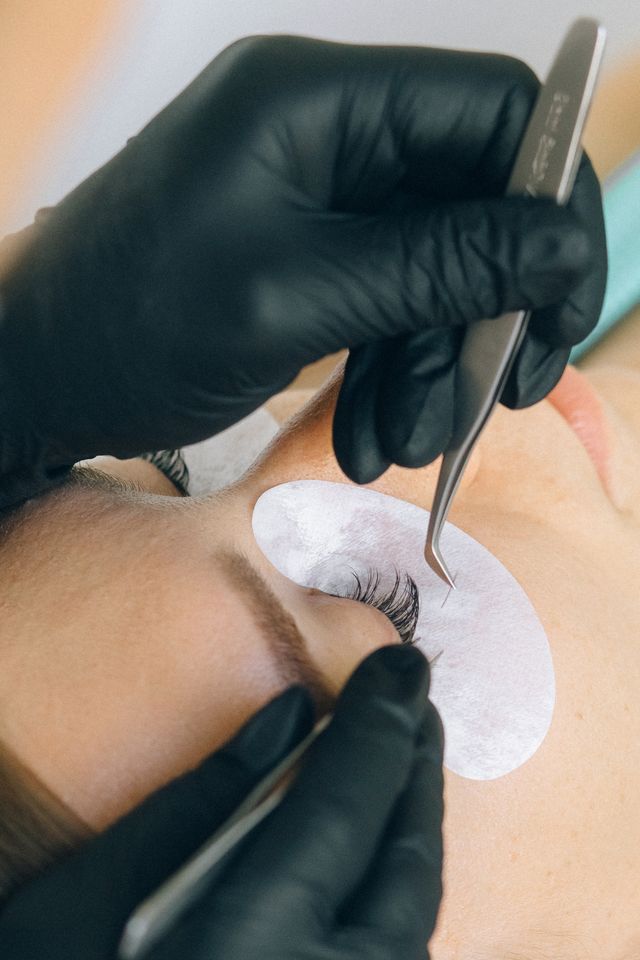
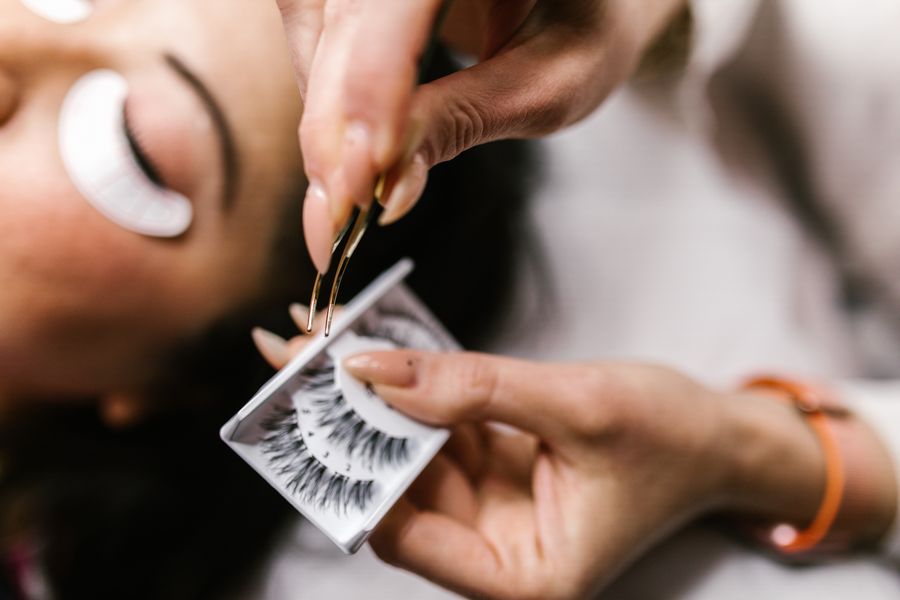
Photographs show the kind of work this course covers. They are not footage from the lessons.
Career routes
Also inside 1 route, for less than buying one by one
-
Lash & Brow Studio Route
- Classic & Volume Lash Extensions (this course)
- Brow Shaping, Tint & Lamination
- Skin Analysis & Facials
- Running a Treatment Room
£2,364 Bought one by one:
£2,863saves £499