DalbyOnline beauty & hair training

Patch tests, consultation, contraindications, aftercare

Safe practice starts before the treatment

Every treatment course teaches four habits: allergy alert (patch) tests, consultation, knowing when to say no, and aftercare. This page shows how, discipline by discipline, and what stays your responsibility afterwards.

This page is education, not medical advice. It describes what our courses teach. For a medical question, about you or a client, ask a doctor or pharmacist.

A therapist in a white coat stands beside a seated client in a bright, minimal treatment space, talking through her needs.

Four habits

Four things we teach first

They run in this order through a day’s work: before the booking, at the chair, at any moment, and on the way out.

  1. Days before

    Patch test

    An allergy alert test finds out, before the service, whether a client reacts to a product. For hair colour and tints it is usually done about 48 hours before, per the manufacturer’s guidance. For everything else, the manufacturer’s instructions and your insurer decide.

  2. Every visit

    Consultation

    Ask before you touch: health, medication, past reactions, what the client wants and what is realistic. Write it down, date it and keep it. The consultation form template is supplied with the courses.

  3. Any moment

    When to say no

    Contraindications: some conditions, products or moments mean the treatment does not go ahead. The courses teach you to recognise them, to say no clearly and kindly, and to point the client to the right person.

  4. Before they leave

    Aftercare

    What the client does and avoids afterwards, said out loud and given on paper. And what you do when they ring worried. Each course ends with aftercare you can hand over.

Discipline by discipline

What each course teaches

The same four habits, applied to the treatment in front of you. Jump to yours.

These always come first: the product manufacturer’s instructions, your insurer’s requirements and your local licensing rules. The courses teach good practice; they do not replace any of the three.

  1. Allergy alert (patch) test
    A skin allergy alert test is carried out about 48 hours before colour or tint goes on, following the manufacturer’s guidance. The course shows how to do it, how to log it and what to do with the result.
    Consultation record
    Colour history, past reactions and what the hair and scalp will realistically take, written on the record before a brush is picked up.
    When to say no
    No test, a doubtful result or a scalp that is sore or broken means no colour today. One lesson is built around saying that kindly and clearly.
    Aftercare
    Home care after colour, when to rebook, and what to do when a client rings with a worry. The last lesson adds disposal and record-keeping.

    Where it sits in the course

    • Module 2: Skin allergy alert tests, consultation records and when to say no38 min
    • Module 9: Mixing, disposal, record-keeping and aftercare30 min
  2. Allergy alert (patch) test
    A patch test comes before a first set, with timing as the adhesive manufacturer’s instructions and your insurer require.
    Consultation record
    Sensitivities, past reactions, what the client wants and what their natural lashes can carry, recorded on the forms that cover you.
    When to say no
    The anatomy lesson covers who should not be treated. The last lesson, on troubleshooting sensitivity, covers when to stop.
    Aftercare
    Infills, removal and the advice a client takes home, so a set is looked after between visits.

    Where it sits in the course

    • Module 1: Natural lash anatomy, the growth cycle and who should not be treated40 min
    • Module 2: Patch test, consultation and the forms that cover you36 min
    • Module 8: Infills, removal and aftercare advice46 min
    • Module 9: Troubleshooting: sensitivity, retention and when to stop32 min
  3. Allergy alert (patch) test
    Patch-test timing sits inside the consultation lesson. Tint and lamination products each carry their own manufacturer’s instructions, and those come first.
    Consultation record
    A skin check and a conversation before you map: what the client wants, and what their skin and brows allow.
    When to say no
    The skin check at the start decides whether a tint or lamination goes ahead today.
    Aftercare
    A short aftercare lesson, with rebooking, so the client leaves knowing what to avoid and when to come back.

    Where it sits in the course

    • Module 2: Consultation, skin check and patch-test timing30 min
    • Module 7: Aftercare and rebooking18 min
  4. Allergy alert (patch) test
    Acrylate sensitivity is taught alongside hygiene, together with why MMA has no place in a salon. Your gel manufacturer’s instructions come first.
    Consultation record
    Nail anatomy and common conditions come first, so you look at the hands properly before you prep.
    When to say no
    The first lesson includes when not to treat: a nail or hand you leave alone, and how you explain why.
    Aftercare
    Infills, rebalancing and removal without damage, so a client leaves with a plan and not just a finish.

    Where it sits in the course

    • Module 1: Nail anatomy and common conditions, including when not to treat38 min
    • Module 9: Hygiene, acrylate sensitivity and why MMA has no place in a salon34 min
  5. Skin and facials

    Skin Analysis & Facials

    Allergy alert (patch) test
    Masks, serums and layering are taught with the product manufacturer’s instructions first, including when a patch test is expected.
    Consultation record
    A full lesson on consultation, contraindications and when to refer, before the first cleanse.
    When to say no
    The first lesson is about what is not yours to treat: a client who needs a referral gets one, not a facial.
    Aftercare
    Aftercare and home-care advice kept to what you can honestly say, with product knowledge that makes no medical claims.

    Where it sits in the course

    • Module 1: Skin structure and common conditions — what is not yours to treat44 min
    • Module 2: Consultation, contraindications and when to refer40 min
    • Module 8: Aftercare and home-care advice28 min
  6. Allergy alert (patch) test
    Products go on skin, so hygiene comes first: clean tools, single-use applicators and testing where the manufacturer says to.
    Consultation record
    Skin types and prep come before colour, and you ask about sensitivities and past reactions before anything touches the face.
    When to say no
    Skin that is broken, sore or reacting is a reason to stop, not to apply over it. The hygiene lesson sets that habit.
    Aftercare
    Light by nature: what to tell a client about removal and about a reaction afterwards, and how to clean your kit between clients.

    Where it sits in the course

    • Module 1: Hygiene and working on clients’ skin32 min

In the room

Most of it is quiet, slow habit

Nothing dramatic: a chart at the chair, a test logged on the right day, a client who is told what to expect.

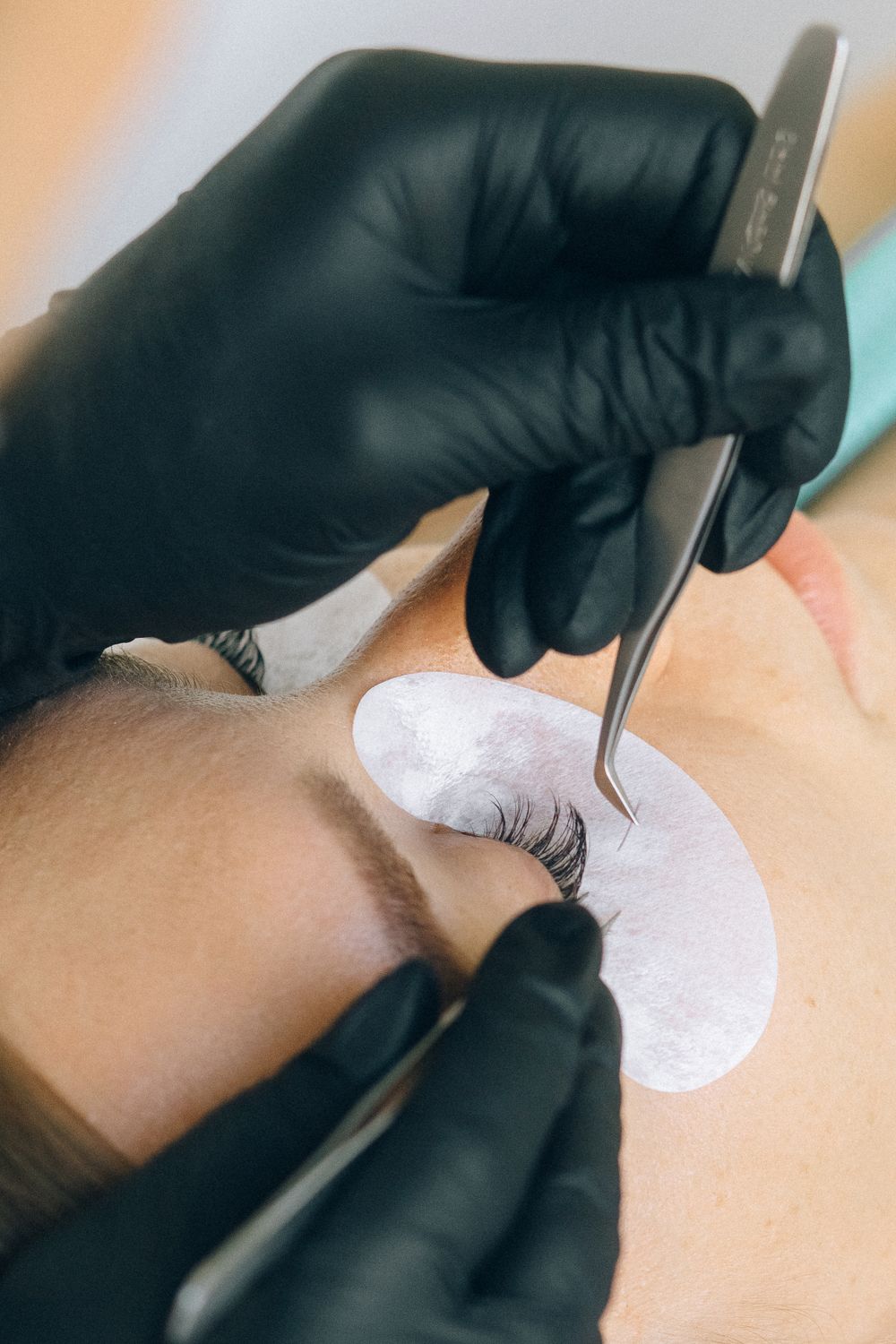
Gloved hands isolate a single lash with tweezers over an under-eye pad.
Slow and gloved, one lash at a time. Care is mostly patience.
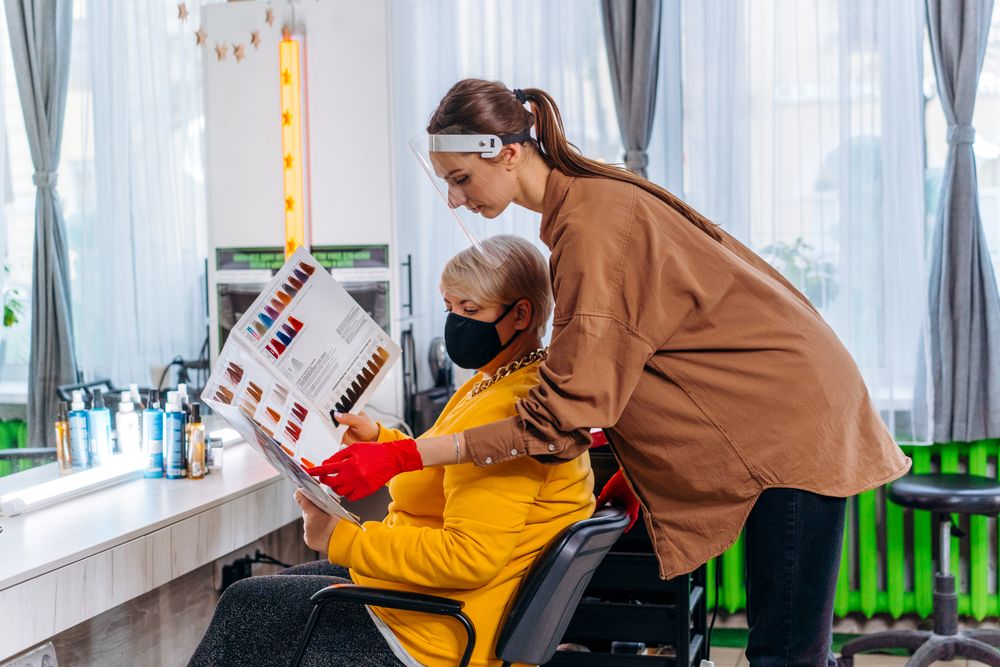
A colourist in a visor shows a client a hair-colour chart at a window-side styling station.
The consultation happens at the chair, with the chart in hand, before anything is mixed.
A skin therapist in a white coat treats a client on a couch, seen through a doorway, with a magnifying lamp and a product trolley beside her.
A room set up for the treatment, and for stopping it.
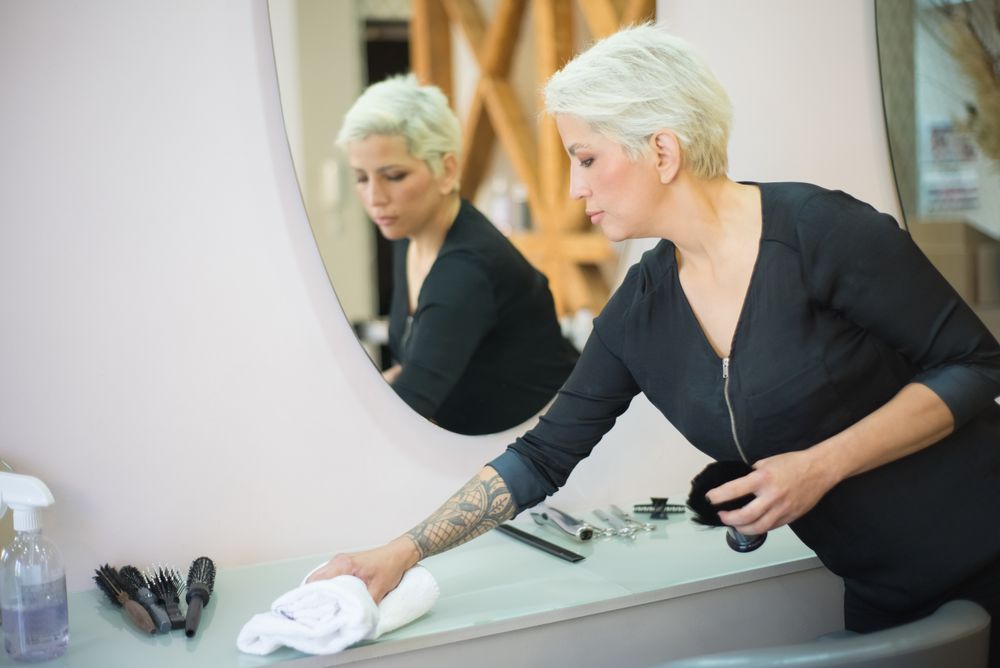
A salon owner with short silver hair wipes down her styling station and brushes between clients.

What stays with you

The course teaches it. You carry it out.

A recorded course cannot watch you work, and we do not pretend it can. Four things stay with you, always.

  1. The manufacturer’s instructions for every product you use. They come first, over anything a course or this page says.
  2. Your insurer’s requirements. Many ask for a recognised qualification, a hands-on assessment or a set test routine. Our certificate is a certificate of completion, not a regulated qualification. Ask your insurer before you treat a paying client. What the certificate is
  3. Local licensing rules. Some places require a licence for certain treatments or premises, and the rules differ from one council or country to the next. Ask yours.
  4. Your judgement on the day. The decision to treat, stop or refer is yours, and so are the records that show why.

When to stop and refer

If in doubt, don’t

Seven moments when the right move is to stop, and to send the client to someone better placed to help.

  1. No test, no service. If a required allergy alert test has not been done, or was done outside the manufacturer’s window, the treatment does not go ahead today.

  2. A reaction to a test or a product. Stop, remove the product as the manufacturer directs and do not carry on. Record what happened, and suggest the client speaks to a doctor or pharmacist.

  3. Skin that is broken, inflamed or sore. If it is where the treatment would go, do not work over it.

  4. A condition outside your training. If you cannot name it, or you were not taught it, it is a referral, not a try.

  5. A consultation that does not add up. Answers that change, medicines you do not recognise, a client who cannot say what they react to: pause, and check with the manufacturer, your insurer or the client’s doctor before you go on.

  6. Pressure to carry on. A client who has travelled, a booking that is paid for, a wedding in the morning: none of them is a reason to skip a step.

  7. Anything that looks serious. Stop, call the emergency services (999 in the UK) and stay with the client.

Records you keep

If something goes wrong, your records answer

When a client calls worried, or an insurer asks what happened, the paper is your answer. Four sheets cover most treatments.

How long you keep them, and in what form, depends on your insurer and on data protection law. The business course covers the basics of consultation forms and the ICO fee.

  • Consultation form

    Health, medication, past reactions and what the client wants, dated and kept. The consultation form template is supplied with the courses.

  • Patch test log

    Who, which product, when it was applied, when it was checked and the result.

  • Aftercare sheet

    What you told the client, in writing, so they have it when they get home.

  • Product batch notes

    The product and batch used on each client, so you can trace it if something goes wrong.

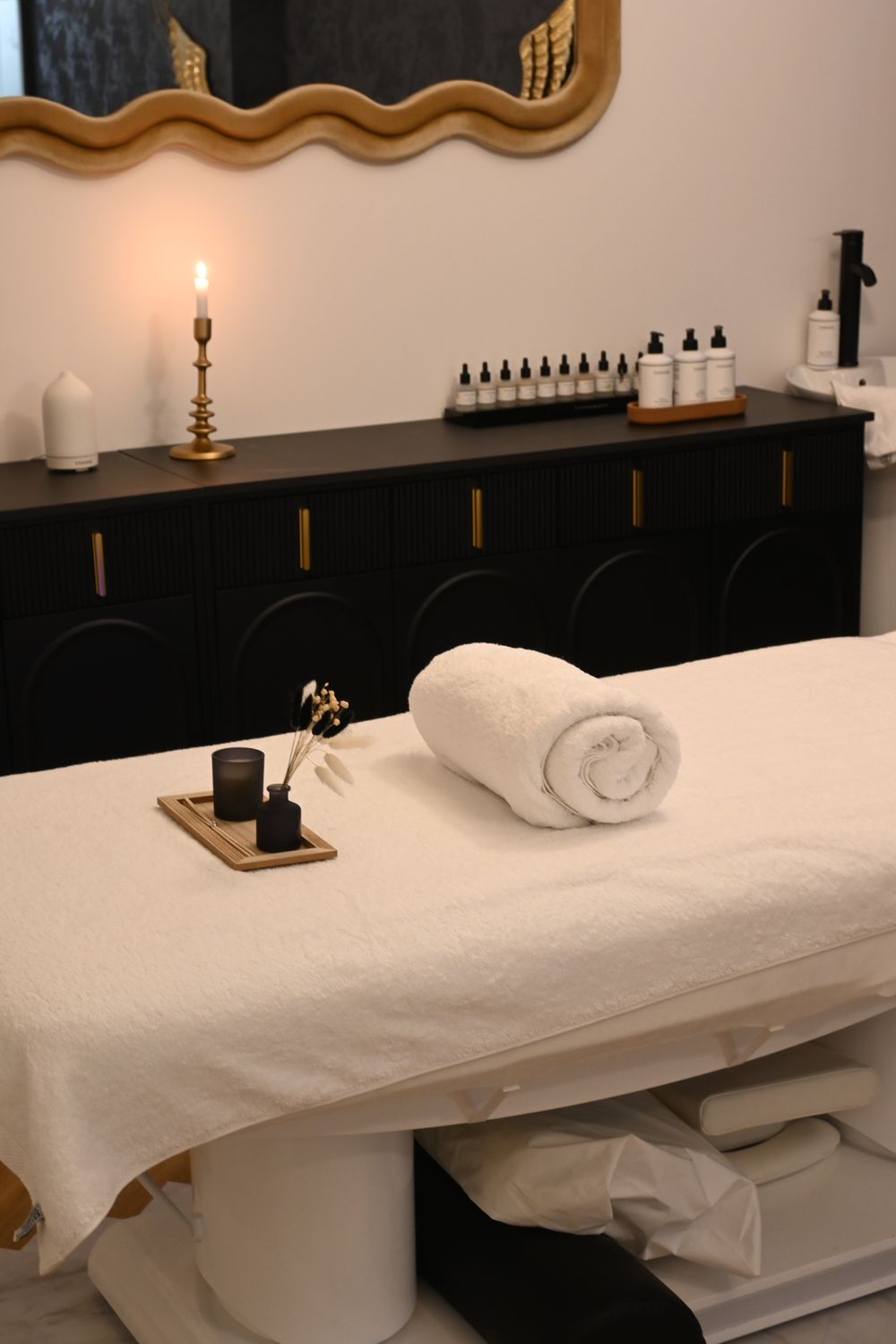
A treatment couch dressed with a rolled towel and a candle, with a row of unlabelled bottles on a dark cabinet.

Insurance and records

Set up the room, and the paperwork

Running a Treatment Room: Pricing, Insurance & Clients

Covers what insurance covers and what insurers ask for, plus data protection for consultation forms, simple records, pricing and booking terms.

8 modules 4.7 hours £537 taxes included

See the business course All courses

Not sure what your insurer will want? Ask us before you buy.